
High-protein recipes & meal prep
Real food. More protein. Numbers you can trust.
Easy high-protein breakfasts, snacks and dinners made with supermarket ingredients. Every recipe shows how much protein you get, how many calories it has, and how long it really takes.
- Protein per serving
- Protein per 100 calories
- Calories per serving
- Backed by science
What makes us different
Four numbers on every recipe
Most recipe sites tell you a dish is “high protein” and stop there. We show you the numbers that actually help you decide what to cook tonight.
g
Protein per serving
Calculated from the exact amounts in the recipe, using USDA data.
g/100
Protein per 100 calories
How much protein you get for your calories. Higher means more filling.
kcal
Calories per serving
Calculated per serving from USDA data, so you can fit it into your day.
min
Real total time
From fridge to plate, including the prep nobody mentions.
Find your next meal
What are you in the mood for?
Pick a moment of the day, a trend, or simply how much effort you feel like putting in.
Trending
Trending now
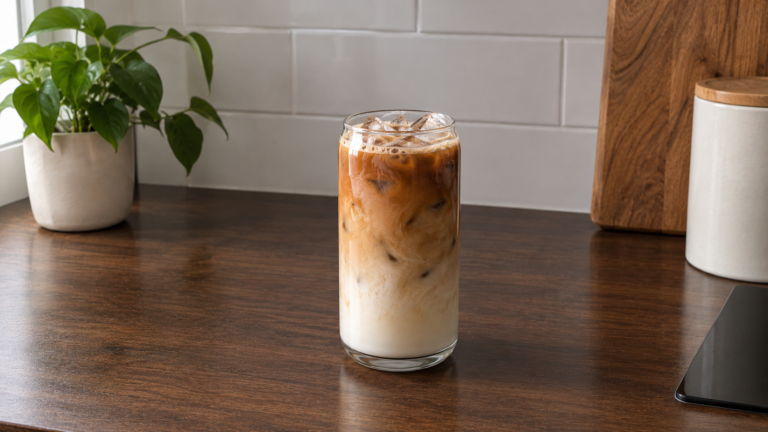
Iced protein coffee, cottage cheese ice cream and the protein recipes everyone is making right now.
Look for the badge
What the Protein Score means
Every recipe gets a grade based on grams of protein per 100 calories. It measures protein density, not overall healthiness. How we calculate it
- A10 g+ per 100 kcal
- B7 g+
- C5 g+
Trending right now
Viral recipes
The high-protein recipes everyone is making this season, checked and calculated.


Fresh from the kitchen
Latest recipes
New high-protein recipes, with the numbers that matter.
-
 Protein ScoreB
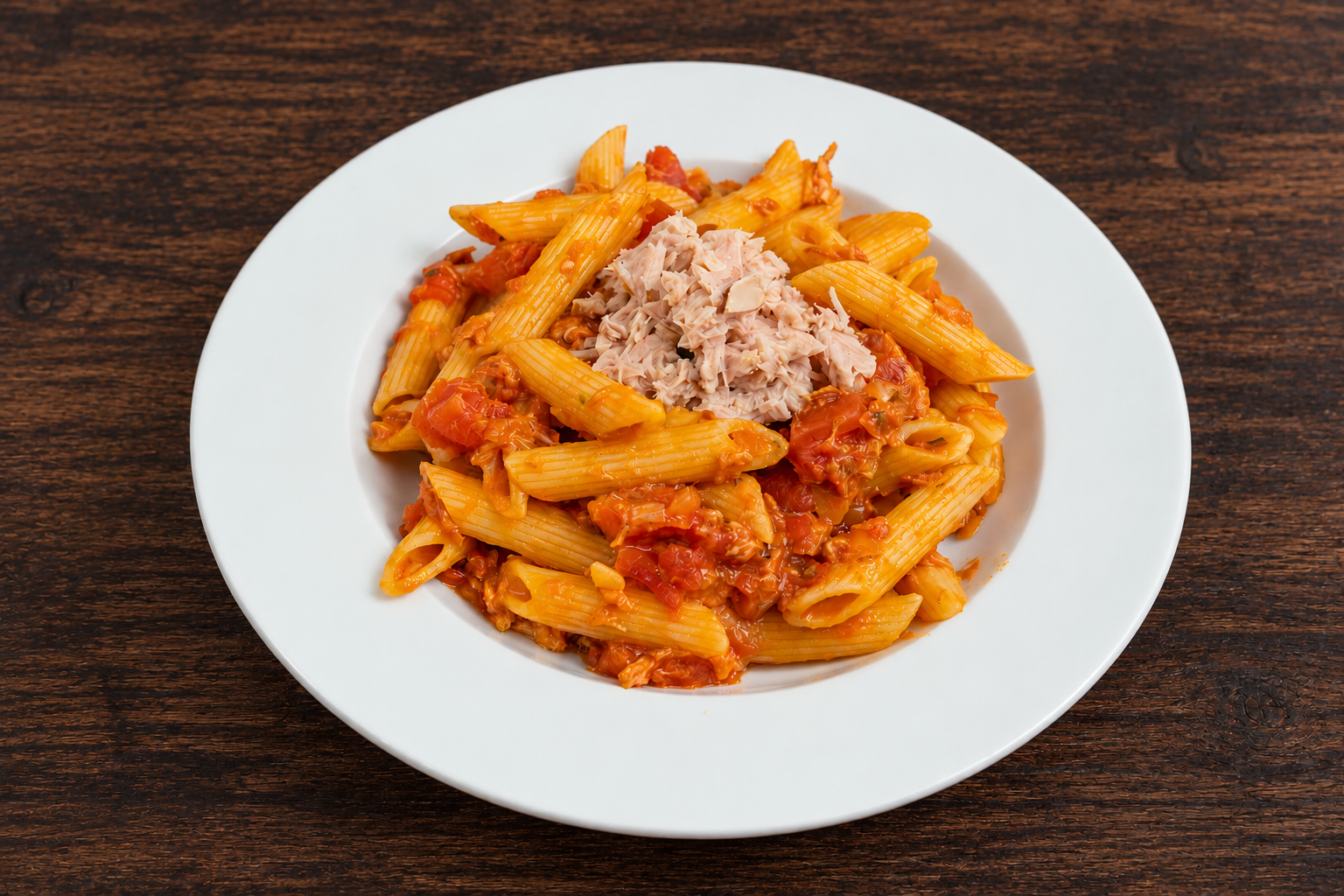
Canned Tuna Recipes Beyond Sandwiches: 4 Easy Meals (35–40 g Protein)
Four canned tuna meals beyond the sandwich: tomato penne, a rice bowl, a white bean salad and a Greek yogurt…
-
 Protein ScoreC
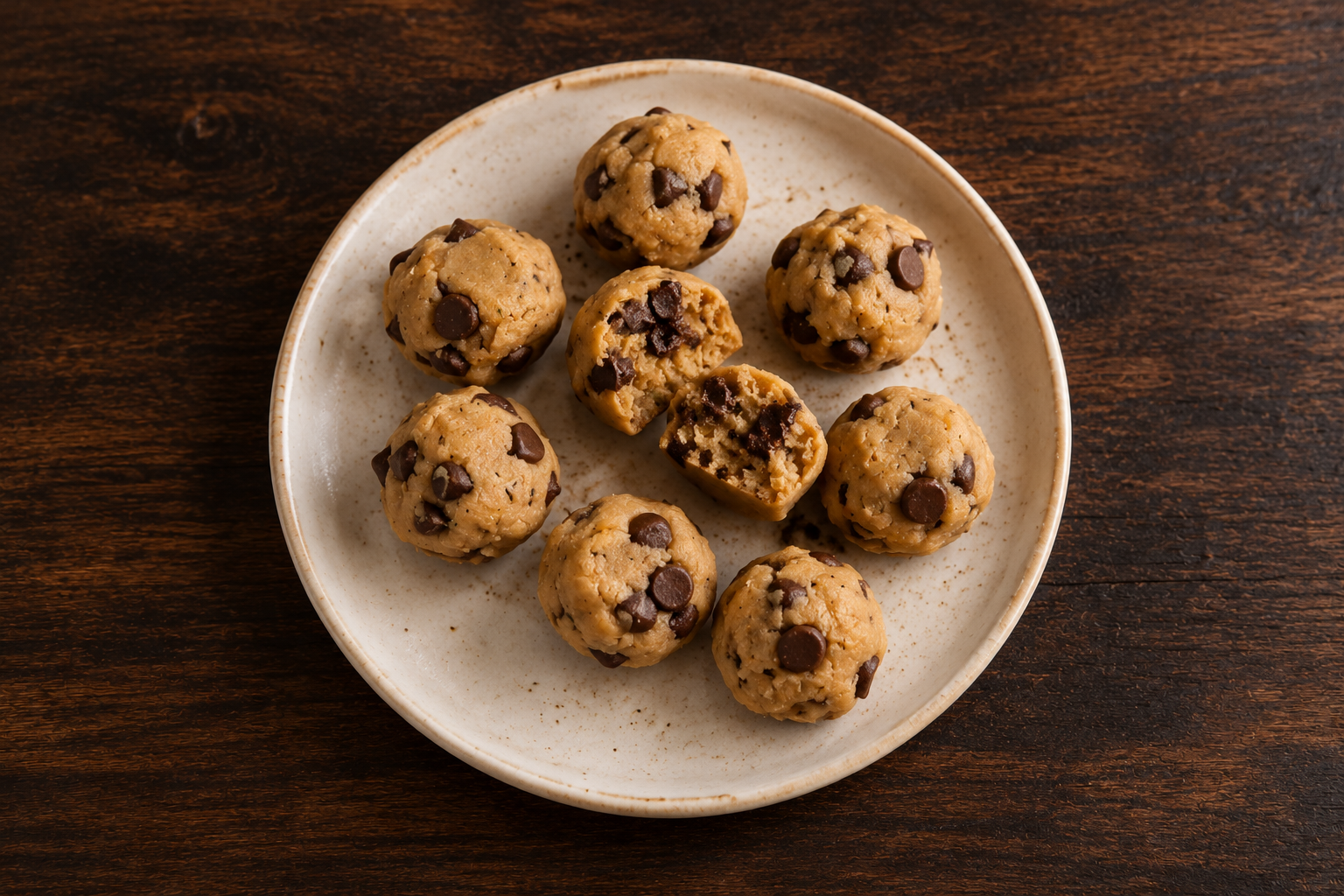
Cookie Dough Protein Balls (8 g Protein Each)
No-bake cookie dough protein balls with oats, peanut butter, vanilla protein and dark chocolate chips: 8 g protein each, no…
-
 Protein ScoreB
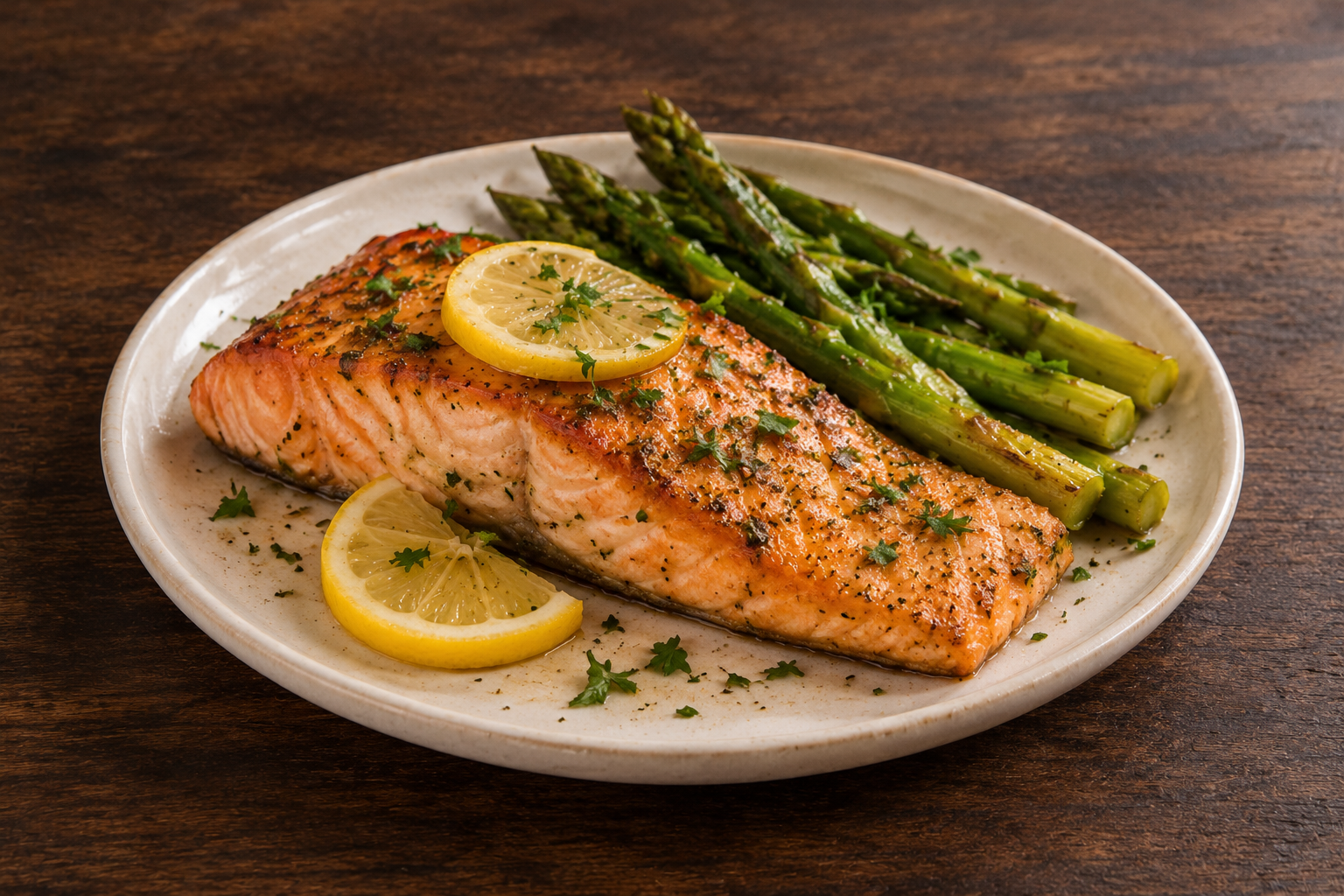
Air Fryer Salmon with Asparagus (37 g Protein)
Lemon garlic air fryer salmon with asparagus in about 8 minutes: 37 g protein per serving, a timing chart by…
-
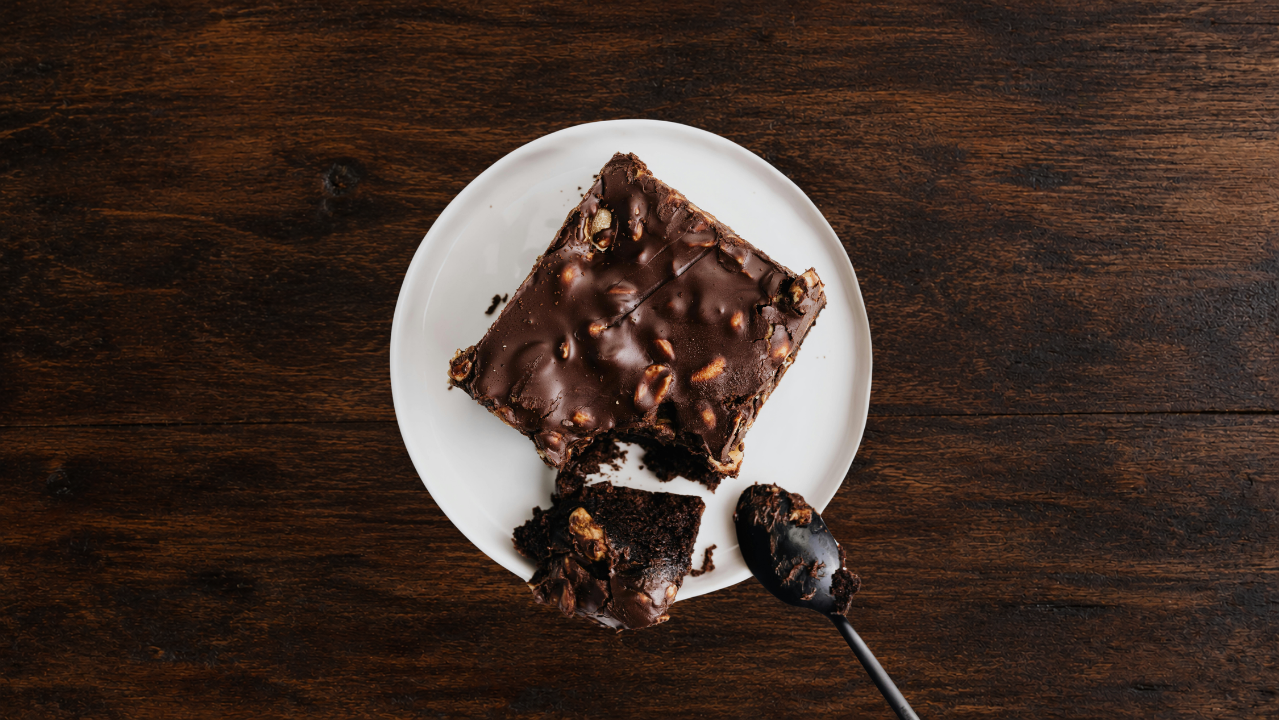 Protein ScoreC
Dark Chocolate Peanut Brownies (13 g Protein)
Fudgy protein brownies with 70% dark chocolate and peanuts: 13 g protein per square, sugar you choose, and why eating…
-
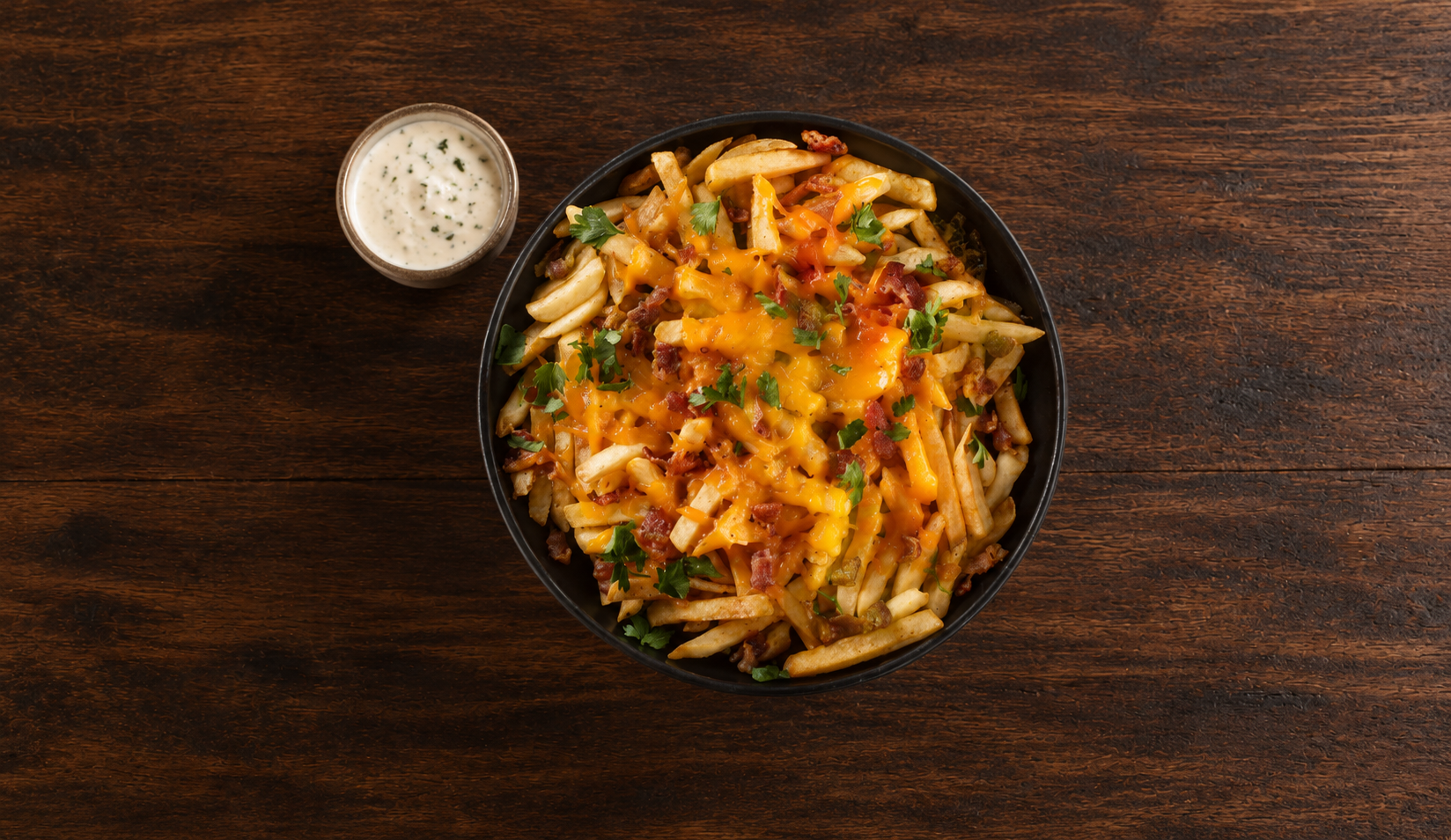 Protein ScoreB
Air Fryer Loaded Fries with Ham and Cheddar (33 g Protein)
Crispy air fryer loaded fries with ham strips, melted cheddar and a Greek yogurt dip: 33 g protein per serving,…
-
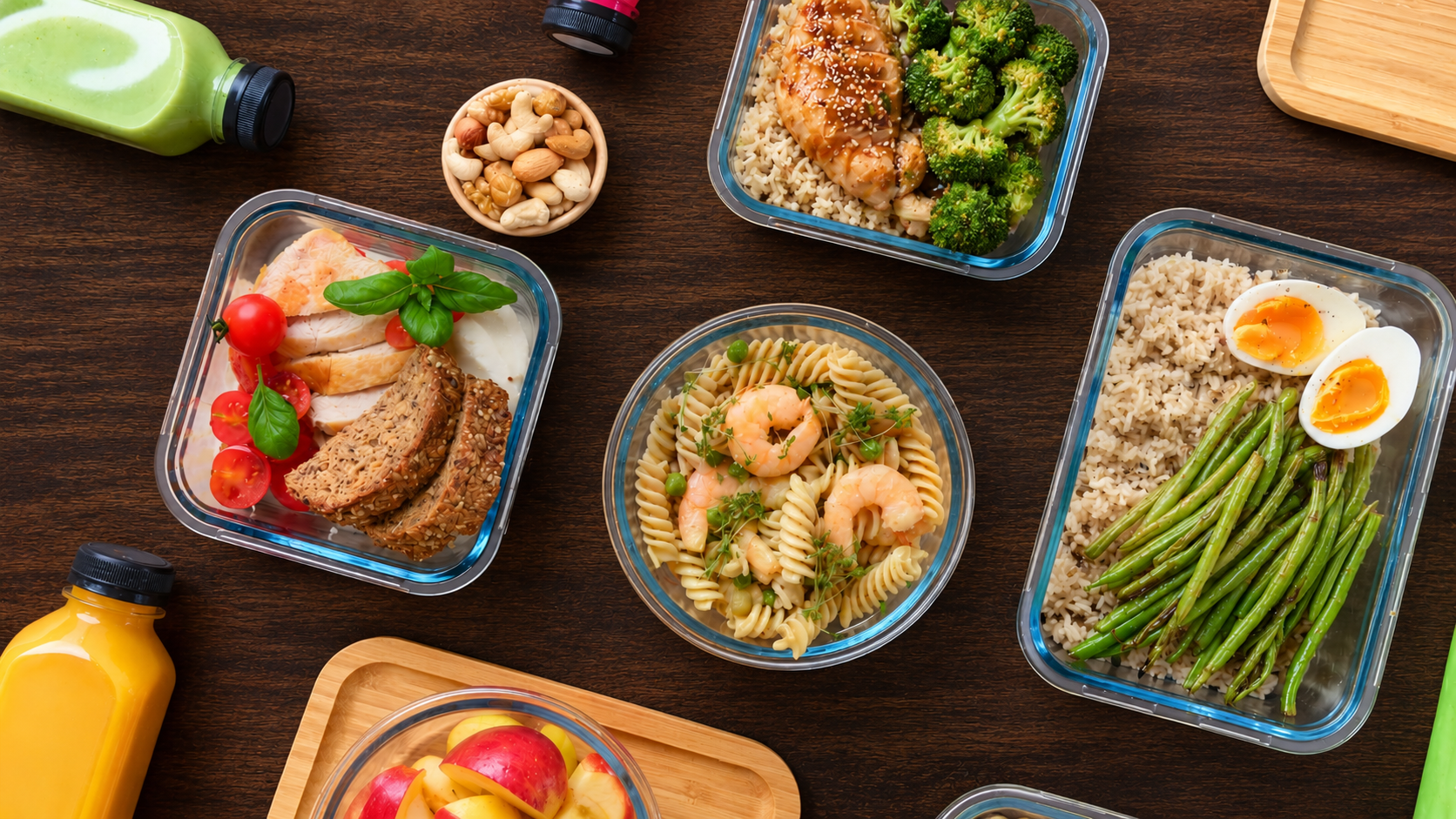 Protein ScoreB
Meal Prep Lunch Boxes: 4 Easy Work Lunches (35–44 g Protein)
Four high-protein meal prep lunch boxes for work with 35–44 g protein each: one 75-minute prep, which box to eat…
Questions we get a lot
High-protein eating, answered
Short, honest answers. Each one links to the recipes or guide that goes deeper.
How much protein do I need per day?
The official minimum for healthy adults is 0.8 g of protein per kilogram of body weight (about 0.36 g per pound). Many active adults, people trying to lose weight and older adults aim higher, often 1.2 to 1.6 g per kilogram. If you have a medical condition, check with your doctor first.
What are easy high-protein breakfasts without protein powder?
Eggs, Greek yogurt, cottage cheese, smoked salmon and milk-based overnight oats can all get you to 25 to 30 g of protein in the morning with no powder at all.
Can I meal prep high-protein meals for the whole week?
Yes. Most cooked chicken, turkey, beans and grain bowls keep well in the fridge for 3 to 4 days, so a Sunday and a Wednesday prep session cover the whole week.
Is cottage cheese really that high in protein?
Yes. A cup of cottage cheese has roughly 25 g of protein. Blended, it turns into creamy sauces, dips, flatbreads and even ice cream, which is why it keeps going viral.
What is the cheapest way to eat more protein?
Eggs, canned tuna, dried lentils and beans, chicken thighs and big tubs of Greek yogurt are some of the cheapest protein sources in US supermarkets.
What does protein per 100 calories mean?
It is the grams of protein you get for every 100 calories of food. Cooked chicken breast, for example, has about 19 g per 100 calories. The higher the number, the more protein you get for your calories.